DIHOC Denzel Ghana Limited logo Restore Ghana
DIHOC · Denzel
About, The Project Mission & Vision Core Values Who We Are The Crisis The Plan Insights & Press ESG Framework Partner With Us Careers Contact Tracker

The mission to restore a national treasure

Ghana’s rivers once fed farms, carried trade, and threaded life through every region of the nation. The Restore Ghana Project exists to return them to that role, and to the generations that depend on them.

For more than a decade, illegal small‑scale mining, known across Ghana as galamsey, has poured silt, heavy metals, and mining debris into the nation’s greatest rivers. Waters that once ran clear now run brown; channels that carried canoes, fish, and commerce stand choked and stagnant. The damage reaches from the riverbed to the national balance sheet, contaminating drinking water, flooding communities, and dismantling the livelihoods of fishermen and farmers.

The Restore Ghana Project (RGP) is the national answer. Conceived in 2022 and executed by DIHOC DENZEL GHANA LIMITED, a special purpose vehicle joining the Defence Industries Holding Company (DIHOC) Limited with Denzel Logistics Limited, it is an industrial environmental remediation programme of unprecedented scale: a $200 million commitment to dredge, engineer, and revive Ghana’s major river bodies.

But RGP is more than dredging. Every restored channel is paired with lasting economic interventions, sustainable aquaculture, eco‑tourism, irrigation‑based agriculture, and riverine transport, so that clean water becomes enduring prosperity for the communities that depend on it.

The mandate covers every water body in Ghana affected by illegal mining. Operations begin where the wounds are deepest, in the priority basins of the River Offin, the River Pra, and the River Ankobra, and unfold in five disciplined phases: beginning with environmental and social impact assessments and a pilot operation on the River Offin, then extending nationwide to every affected river, lake, and stream, with permanent monitoring, maintenance, and community stewardship.

Est. 2022 $200M Programme 5 Phases Pilot · River Offin SPV · DIHOC Denzel Ghana Ltd

Aerial view of a dredging vessel clearing a river channel
Dredging Operations, Restoring Natural Flow
Priority River Basins, Southern Ghana

Where the restoration begins

The mandate extends to every affected water body in Ghana, and it begins here. The Offin, the Pra, and the Ankobra together drain the gold‑bearing heartlands of the Ashanti, Central, and Western regions, the very geography where galamsey has struck hardest. Restoring them first, from the Offin pilot outward, rehabilitates an entire hydrological system that empties into the Gulf of Guinea, and proves the model the national rollout will follow.

LAKE VOLTA BLACK VOLTA WHITE VOLTA OTI TANO DENSU VOLTA ANKOBRA OFFIN PRA DUNKWA‑ON‑OFFIN ACCRA KUMASI TAMALE GULF OF GUINEA THE NATIONAL MANDATE Every affected water body in Ghana PRIORITY BASINS OFFIN · PRA · ANKOBRA, THE FIRST FRONT AFFECTED WATER BODIES WITHIN THE RESTORATION MANDATE LAKE VOLTA SYSTEM PILOT OPERATION 90 DAYS · RIVER OFFIN From the Volta system in the north and east to the southwestern goldfields, the mandate covers every water body damaged by illegal mining. N
National mandate, schematic map, not to scale Priority: Offin · Pra · Ankobra → nationwide rollout
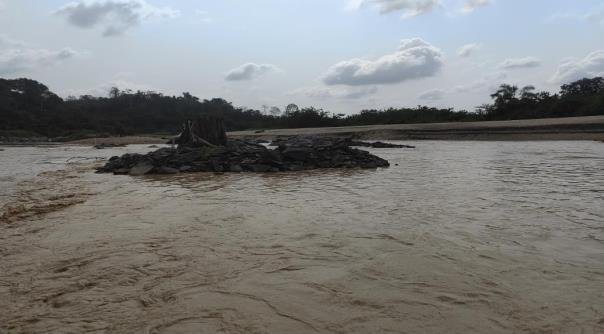
The silted channel of the River Offin

River Offin

RegionAshanti / Central
Basin RolePra Tributary
StatusPilot Dredging

Rising in the Ashanti highlands and joining the Pra below Dunkwa‑on‑Offin, the Offin runs through the historic heart of Ghana’s gold country, and has paid the heaviest price for it. RGP’s 90‑day pilot dredging programme begins here, restoring channel depth and producing the impact report that guides the full national rollout.

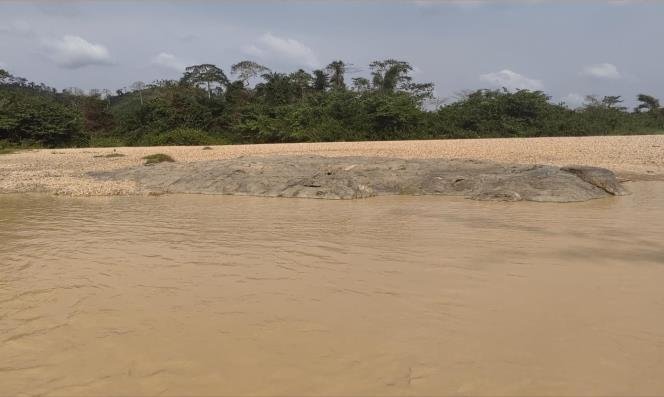
Sand deposits along the River Pra

River Pra

RegionEastern to Western
Basin RoleMain Artery
StatusFull‑Scale Phase

The largest river of southwestern Ghana, the Pra gathers the Offin, Anum, and Birim before reaching the sea at Shama. Its basin feeds water treatment plants, farms, and fisheries serving millions, making its rehabilitation the programme’s central objective once the pilot proves the method.

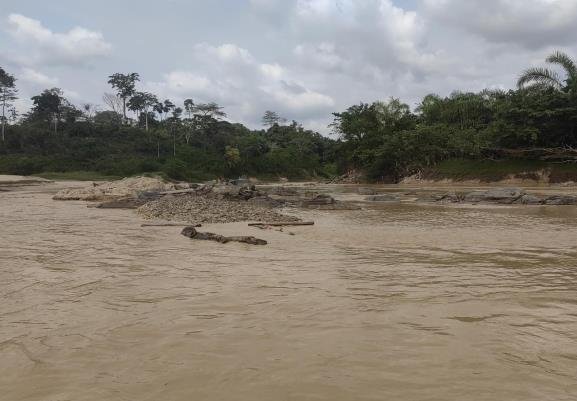
Debris blocking the flow of the River Ankobra

River Ankobra

RegionWestern
Basin RoleCoastal Basin
StatusFull‑Scale Phase

Winding through the rainforests of the Western Region to the Atlantic near Axim, the Ankobra once carried boats deep inland. Decades of mining waste have choked its course; RGP’s restoration will reopen the channel, revive coastal fisheries, and return safe water to riverside communities.

Key Project Objectives
i.

Desilt & Restore

Remove silt and sediment pollution from affected river bodies.

ii.

Protect & Maintain

Prevent further degradation and support long‑term river maintenance.

iii.

Revive Livelihoods

Enhance socio‑economic opportunities through revived fishing, irrigation, ecotourism and coastal transportation.

iv.

Secure the Nation’s Water

Strengthen national water security and conservation efforts.

Call to Action

Partner with us to restore
Ghana’s water resources