DIHOC Denzel Ghana Limited logo Restore Ghana
DIHOC · Denzel
About, The Project Mission & Vision Core Values Who We Are The Crisis The Plan Insights & Press ESG Framework Partner With Us Careers Contact Tracker

A crisis flowing through every community.

Unprecedented degradation from illegal small‑scale mining has compromised the water sources on which aquatic life and human communities depend. This is the emergency the Restore Ghana Project answers.

Galamsey.
/ga‑lam‑say/ · Ghanaian Pidgin

From “gather them and sell”, the local name for illegal small‑scale gold mining.

What began as pans and shovels at the river’s edge has become an industrialized shadow economy, excavators, floating dredges, and washing plants tearing through riverbeds across Ghana’s south. The word is casual. The damage is not.

Understanding this crisis, where it came from, who it hurts, and why a decade of crackdowns could not stop it, is the starting point of the Restore Ghana Project.

0%
Of Ghana’s water bodies estimated polluted by mining activity
0M+
Ghanaians estimated to depend directly on small‑scale mining
0
Major rivers targeted by RGP, Offin, Pra, Ankobra
2030
Year by which Ghana risks importing drinking water, per utility warnings
Background, How We Got Here

A history written in gold.

Gold mining on these rivers is older than the nation itself. The crisis is not the mining, it is what the mining became.

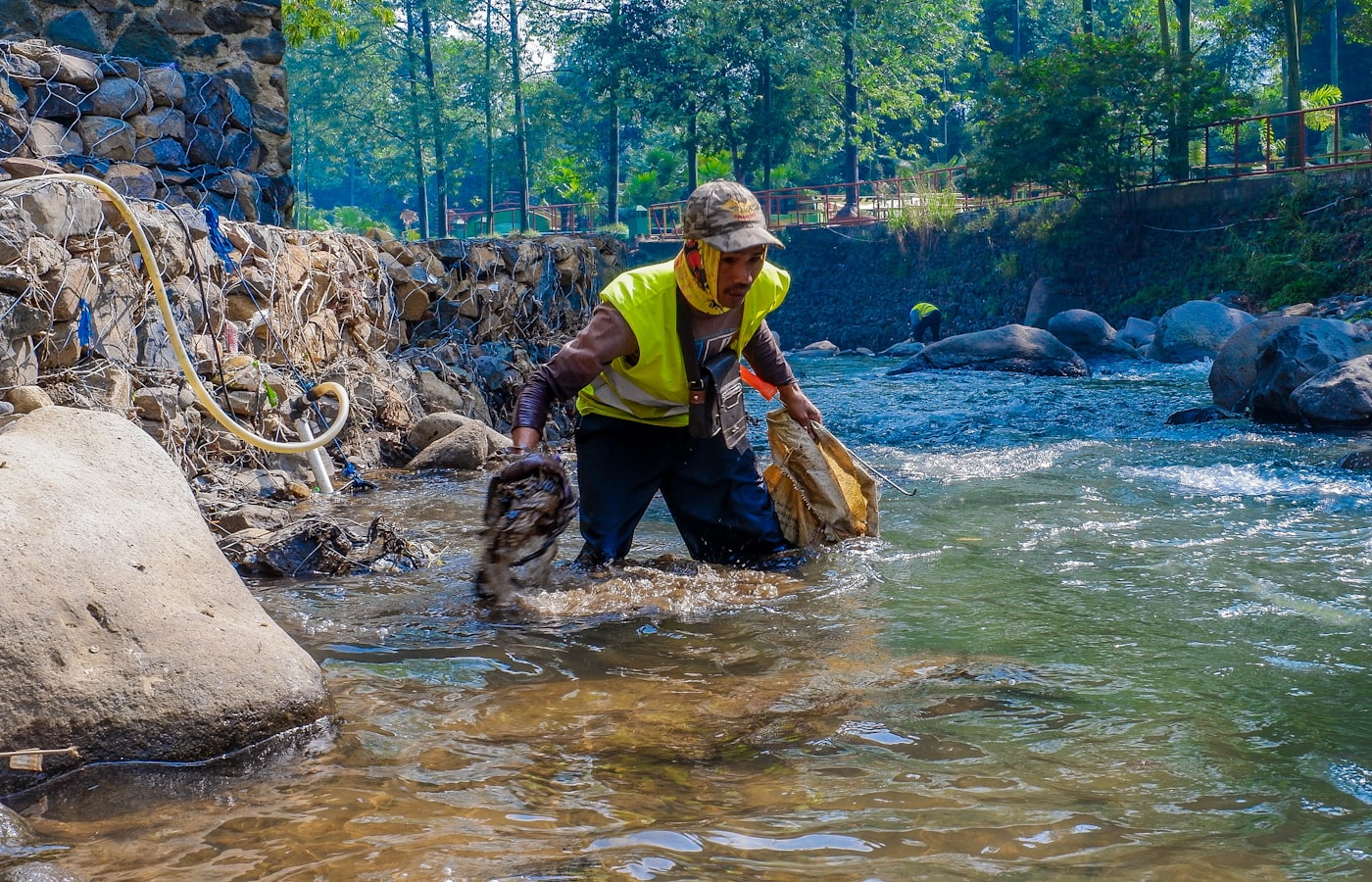
A miner working by hand in a river channel
From pan and shovel to excavator and dredge, a century of escalation
Pre‑colonial, 1957

The Gold Coast

For centuries, artisanal miners worked the gold‑bearing soils of the Ashanti and Western regions with pans, picks, and river knowledge. Small‑scale mining was livelihood, tradition, and trade, and it lived with the rivers, not against them.
1989

Legalization, PNDC Law 218

Ghana formally legalizes and licenses small‑scale gold mining for citizens, attempting to bring the sector into the open. Registration is slow and cumbersome, and a parallel, unlicensed economy keeps growing beside it.

2006

The Minerals & Mining Act

Act 703 reserves small‑scale mining exclusively for Ghanaians. On paper, the sector is regulated end‑to‑end. In practice, licences lag years behind demand, and gold prices are about to change everything.

2008–2013

The Gold Rush Industrializes

Record gold prices pull tens of thousands into the pits, and foreign operators arrive with excavators, floating “changfan” dredges, and washing plants. Galamsey stops being a shovel trade. Rivers begin to turn brown.

2013

First National Crackdown

An inter‑ministerial task force raids illegal sites; thousands of foreign miners are deported. Within months, the machines are back, the first proof that enforcement alone cannot outlast the economics.

2017

The Ban & Operation Vanguard

A new government bans all small‑scale mining and deploys a 400‑strong joint military‑police force. The president stakes his presidency on the fight. Seized excavators later vanish from state custody; the ban is lifted; the dredges return.

2021

Operation Halt II

The military is ordered to destroy mining equipment on the riverbeds, burning excavators where they stand. The images shock the nation, but without livelihoods or restoration behind it, the burning changes little.

2024, Today

The Reckoning

Turbidity in the Pra at times exceeds what treatment plants can process. Cocoa farms fall to the pits. Unions threaten nationwide strikes; citizens march. The question is no longer whether to act, but what action can actually work.

Drag or scroll the timeline
The Social Toll

A crisis flowing through every community.

Ghana’s river bodies have suffered unprecedented degradation from illegal small‑scale mining. Excessive siltation and sediment pollution have reduced water quality and depth, impeded natural river flow, and compromised the water sources on which aquatic life and human communities depend.

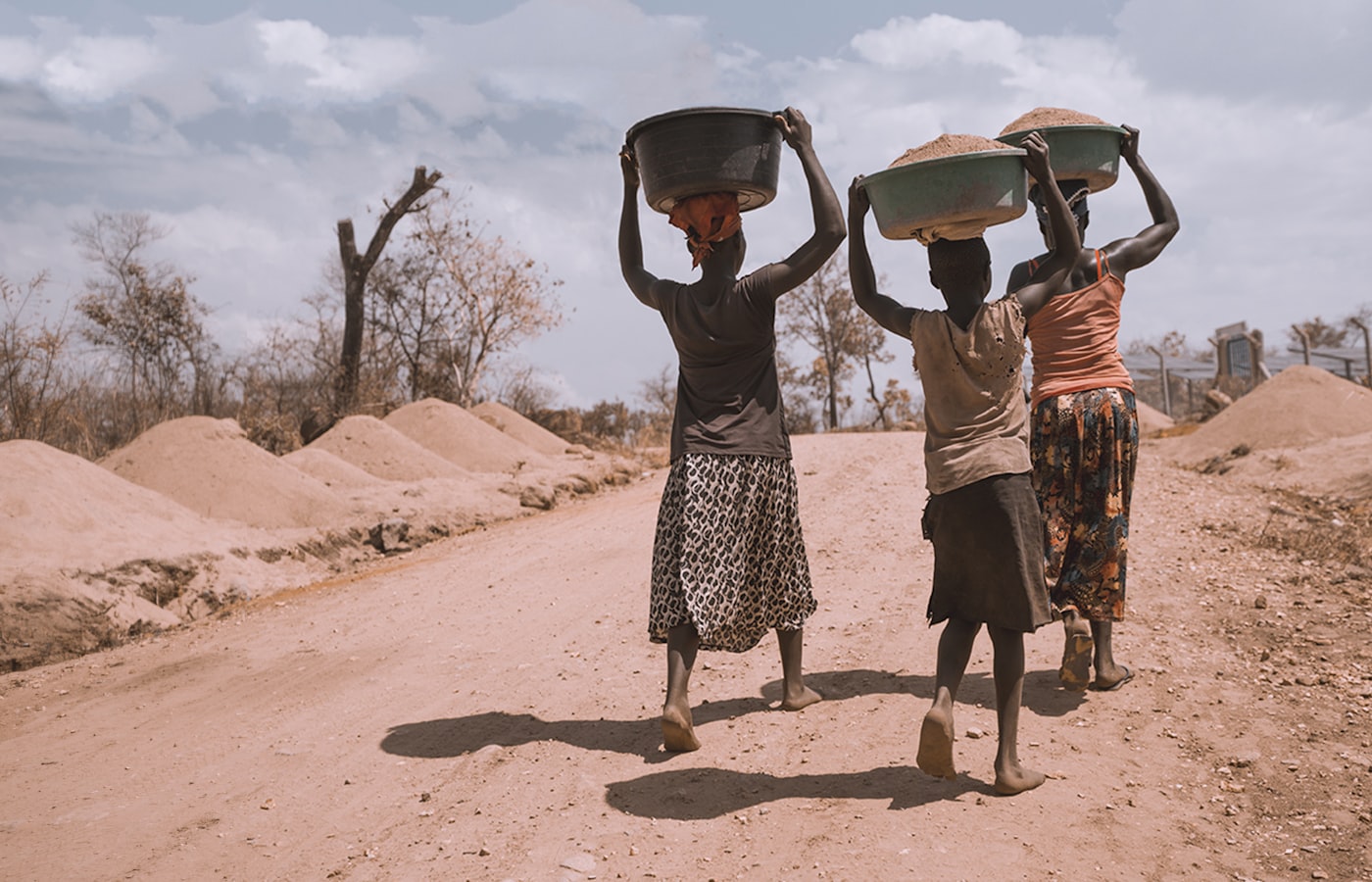
Women carrying basins of water along a dusty road
When the river dies, the distance to clean water is walked, daily

The cost is counted in lives, not litres.

A poisoned river does not stay in its banks. It travels, into the buckets women and children carry for hours; into boreholes and treatment plants that can no longer cope; into the cocoa farms sold or seized for pits; into clinics treating kidney disease and skin conditions in mining towns.

Fishermen whose fathers fed villages now dig in the same river that once paid them. The crisis is not an environmental story with social side‑effects, it is a social catastrophe with an environmental engine.

Public Health Crisis

Heavy metal contamination, including mercury and arsenic from mining, has introduced severe health risks, from waterborne diseases to long‑term chronic illnesses.

Water Scarcity

Contaminated rivers have made it increasingly difficult for treatment plants to supply potable water, leading to shortages across major urban and rural areas.

Loss of Livelihoods

Fishing communities, farmers, and industries that depend on clean water have suffered economic setbacks, deepening poverty and social instability.

Economic Decline

The costs of water treatment, flood management, and environmental reclamation strain national resources, while the loss of water‑based industries erodes Ghana’s productivity.

Social

Displacement of communities, loss of jobs in fishing and farming, and increased rural‑urban migration driven by water scarcity.

Economic

Decline in agriculture, fisheries, and eco‑tourism, compounded by rising government expenditure on environmental mitigation.

Environmental

Loss of biodiversity, increased flooding from clogged rivers, and long‑term damage to entire ecosystems.

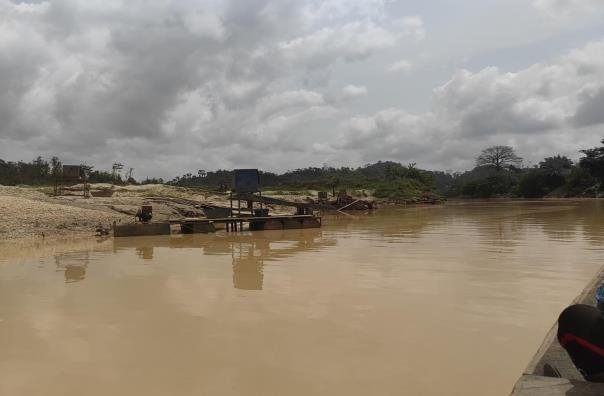
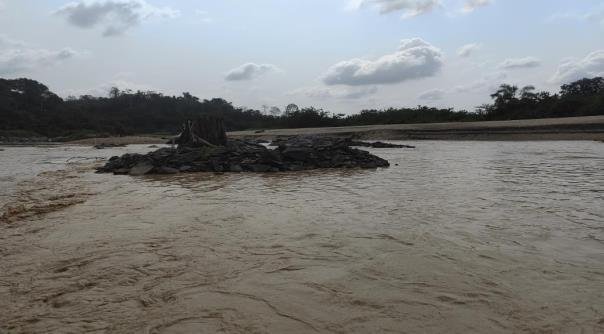
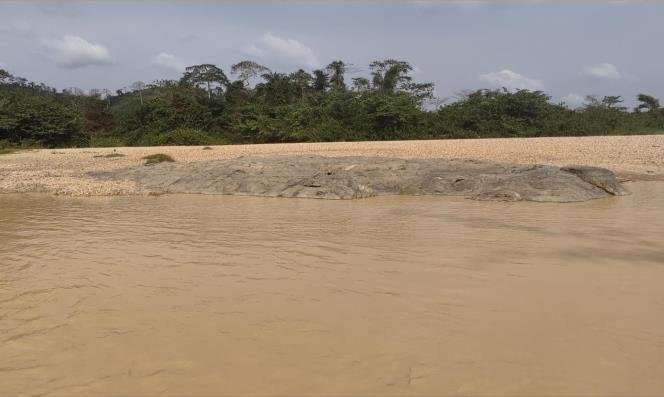
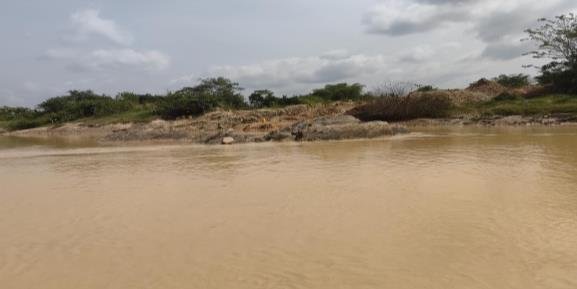
Field Evidence, Documented on Site
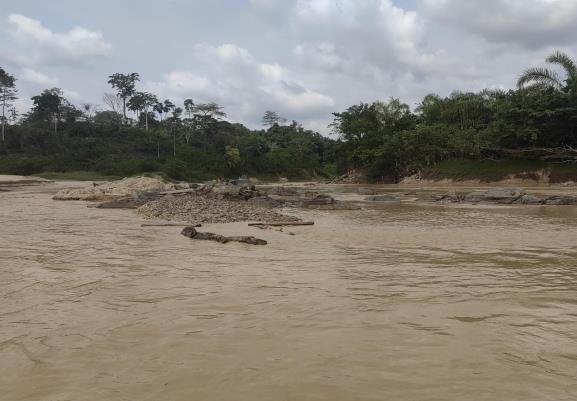
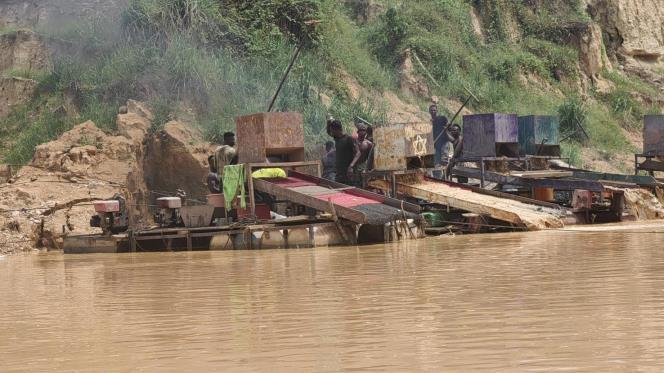
Illegal mining rigs operating on a heavily silted river
Galamsey rigs on the river
Mining washing plant discharging sediment into the river
Washing plants discharging sediment
River channel choked by silt and debris
Channels choked by silt
Sand deposits burying the natural riverbed
Sand burying the riverbed
Eroded and degraded riverbanks
Eroded riverbanks
Debris and tailings blocking the river's natural flow
Blocked natural flow
The Record, 2013 to Today

The fight that keeps failing.

Successive governments have fought galamsey with task forces, bans, and burnings. Each campaign began with resolve and ended with the dredges back on the water. The pattern matters, because it explains what any real solution must do differently.

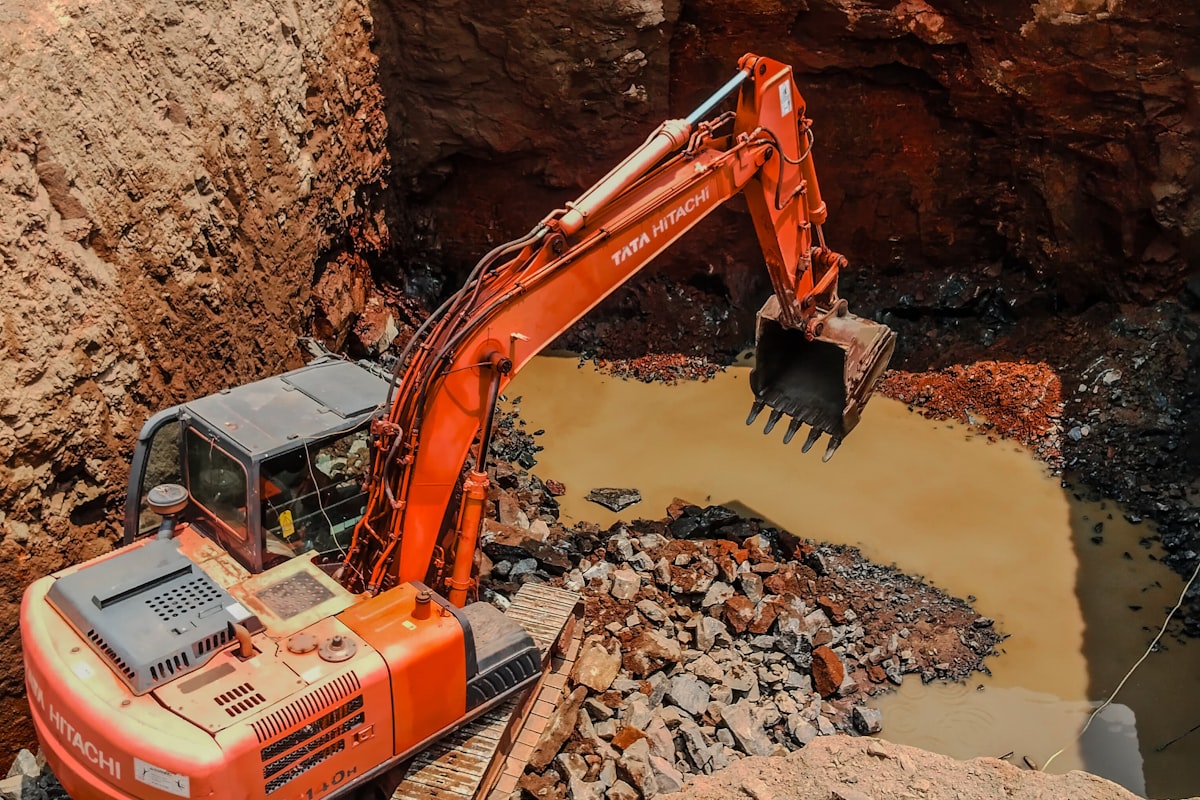
An excavator digging in a deep muddy pit
The machine at the centre of a decade of failed enforcement
2013 The Task Force Era, deport and disperse +

An inter‑ministerial task force swept illegal sites and deported thousands of foreign miners. Why it failed: the economics stayed untouched. With gold prices high and no alternative livelihoods offered, local operators absorbed the abandoned pits, and the machinery returned within months.

2017 The Ban & Operation Vanguard, soldiers on the rivers +

A total moratorium on small‑scale mining, a 400‑strong joint military‑police deployment, and a president declaring he would put his office on the line. Why it failed: hundreds of seized excavators disappeared from state custody; prosecutions stalled; honest licensed miners were bankrupted alongside the illegal ones, turning communities against the campaign. When the ban lifted, the rivers were re‑occupied.

2017–19 IMCIM & Community Mining, reform from within +

An Inter‑Ministerial Committee on Illegal Mining introduced community mining schemes, digital monitoring, and equipment registration. Why it failed: the committee was dissolved amid corruption allegations, and its own former chairman’s report later accused party insiders of protecting the very operations the state was fighting.

2021 Operation Halt II, burn the machines +

The military was ordered to destroy excavators and dredges on the riverbeds, in place. Why it failed: spectacular images, no lasting deterrence. Destroyed equipment was written off as a cost of business by financiers who simply bought more, while the burnt hulks stayed in the rivers and no restoration followed.

A decade of enforcement attacked the machines and the miners, never the wounded rivers or the poisoned economics. The Restore Ghana Project begins where every campaign stopped: restore the rivers, replace the livelihoods, and secure both.

In the Headlines

A crisis the nation cannot look away from.

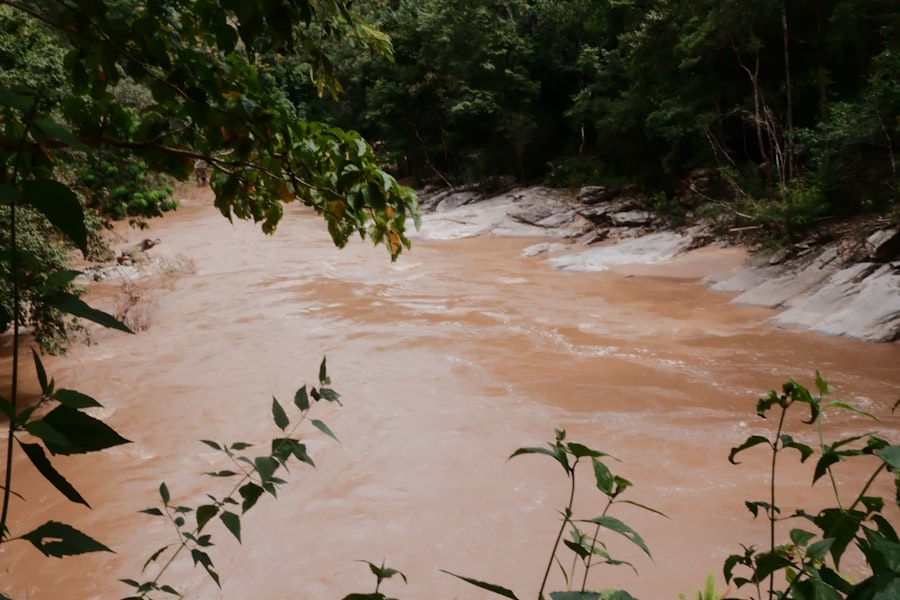
A river running brown with sediment through forest
Graphic Online2021

The Pra runs brown: a river visibly dying

From Twifo Praso to the coast, dredge tailings turn a once‑clear river ochre, a change so stark it can be seen from the road, and from the air.

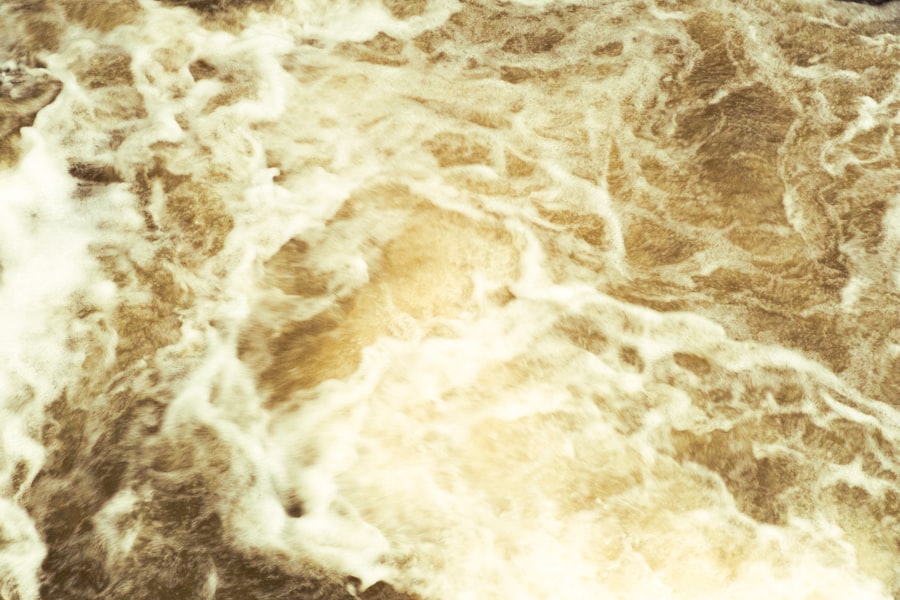
Turbulent brown water thick with sediment
Citi NewsroomSeptember 2024

Treatment plants overwhelmed as turbidity spikes

Ghana Water shuts intake stations on the Pra and Birim as sediment loads climb far beyond what its filters were ever designed to treat.

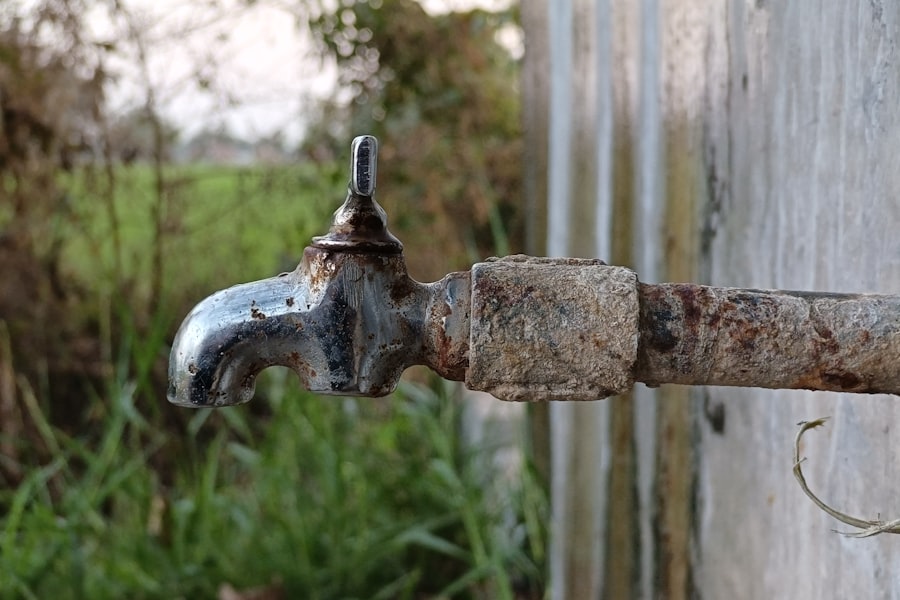
A rusted tap on a concrete wall with no running water
Joy News2023

Taps run dry in the mining regions

Rationing spreads through Western and Central Region towns as raw river water becomes too polluted to process into drinking supply.

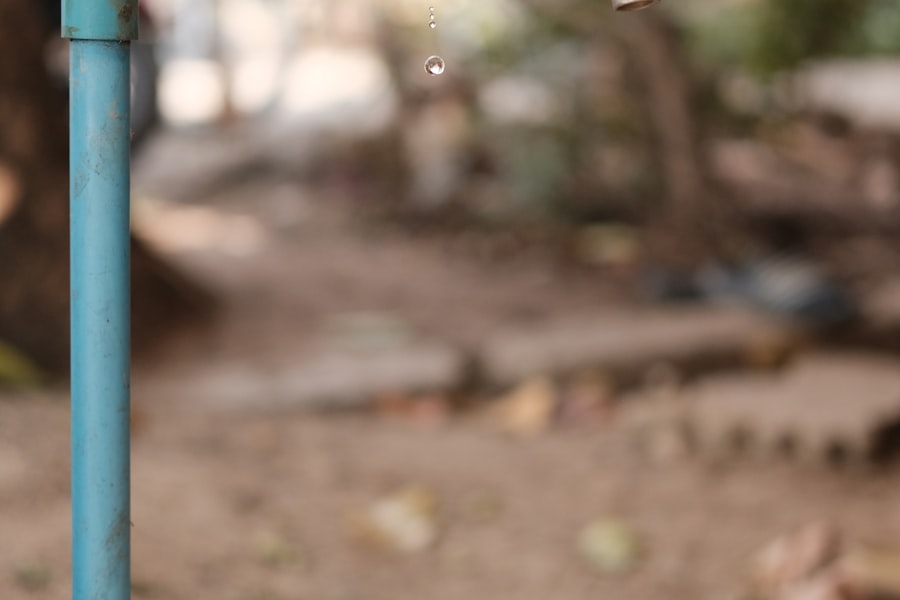
A standpipe with a bucket waiting beneath it
Reuters2024

Ghana may import drinking water by 2030, utility warns

The national water company’s starkest warning yet: if the rivers keep dying at this rate, a water‑rich nation will be buying water abroad.

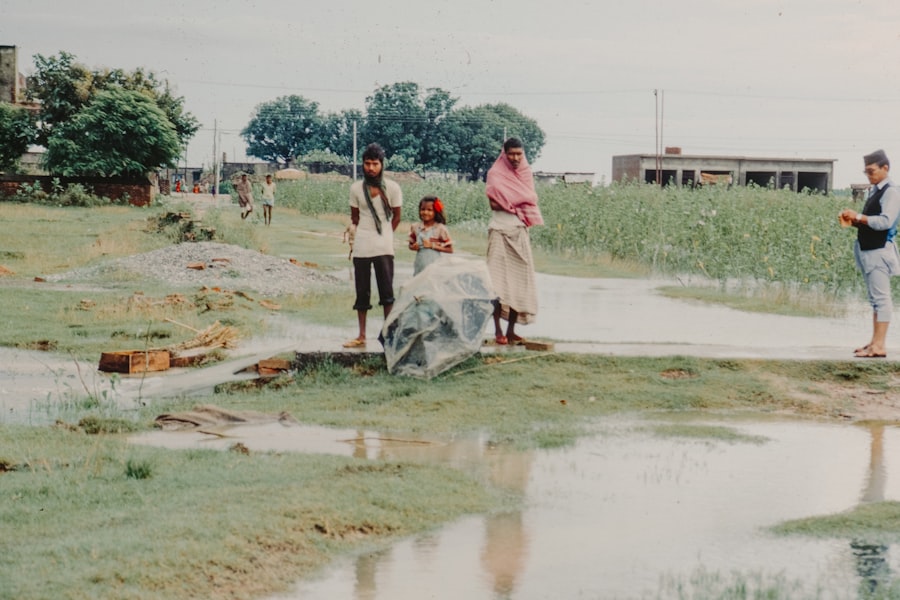
People standing on a flooded rural road
GhanaWeb2023

Choked rivers overflow into homes and farms

Riverbeds raised by years of silt can no longer carry the rains, seasonal floods now swallow the same communities the mining impoverished.

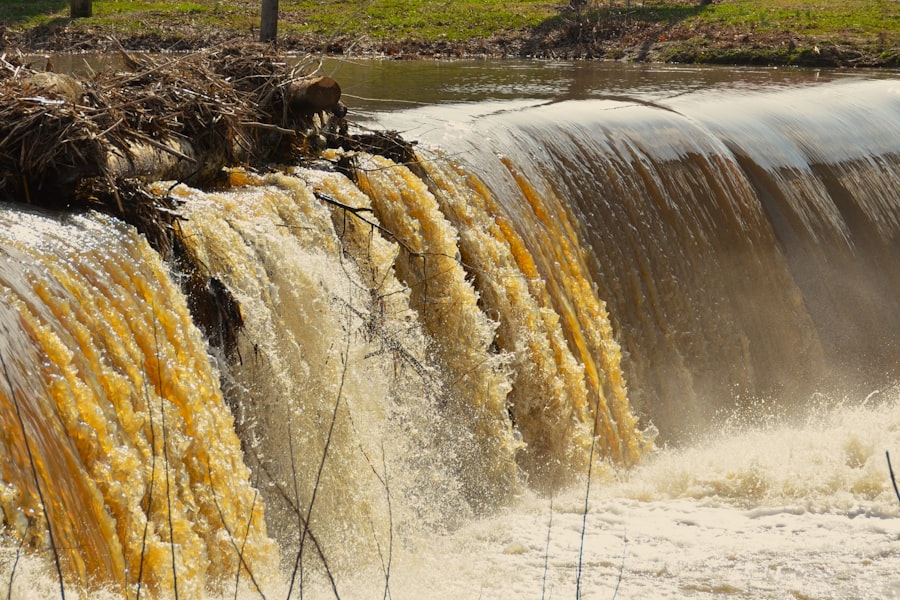
Muddy water cascading toward the sea
BBC News2024

Where the poisoned river meets the sea

At Shama, the Pra’s brown plume pushes far offshore, coastal fishermen report collapsing catches where the estuary once teemed.

Headlines paraphrased from public reporting, 2017–2024
Call to Action

Partner with us to restore
Ghana’s water resources.