Dredging Operations
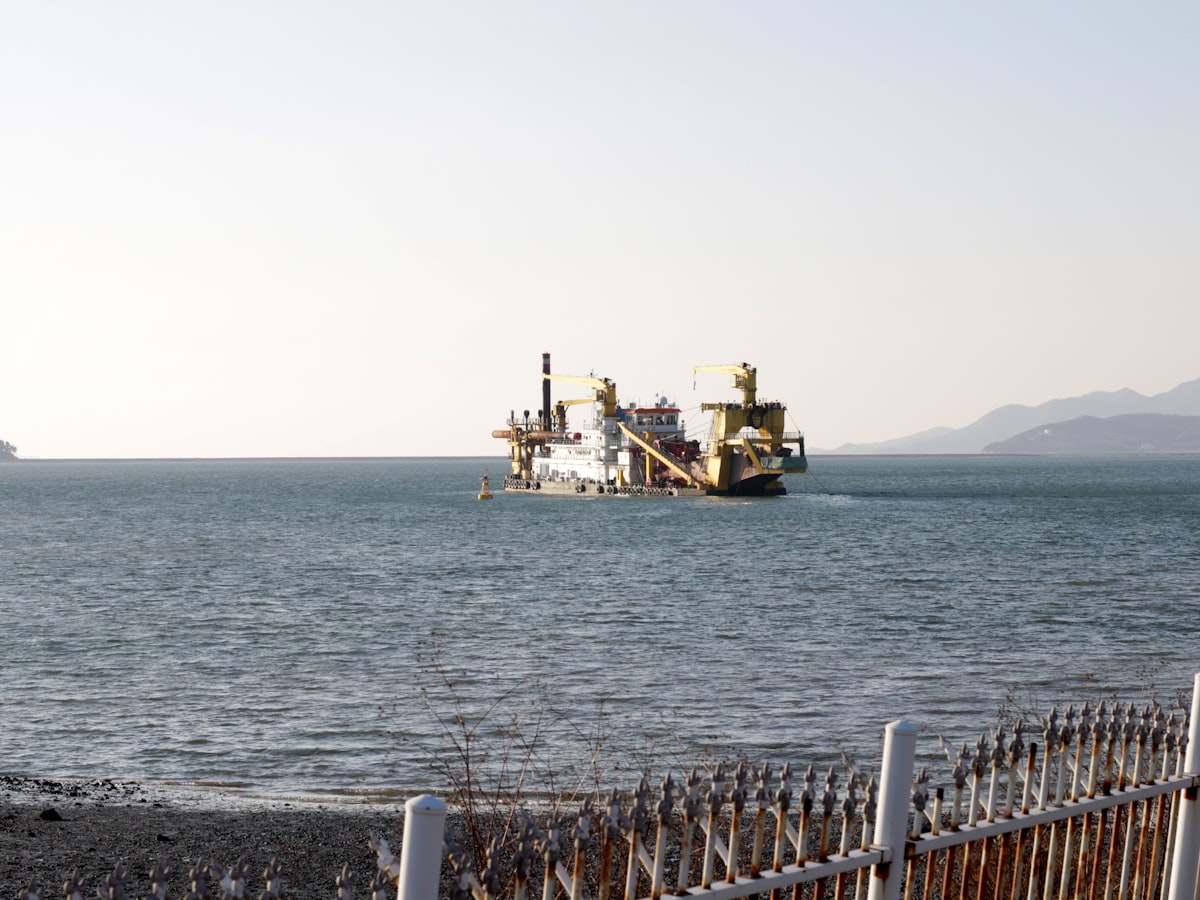
- Removal of silt, sand, and other pollutants from river bodies
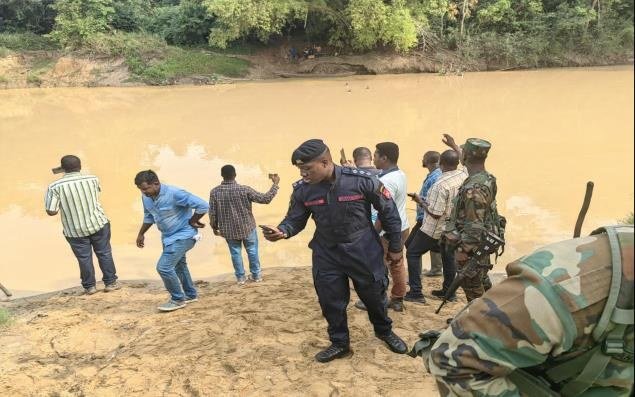
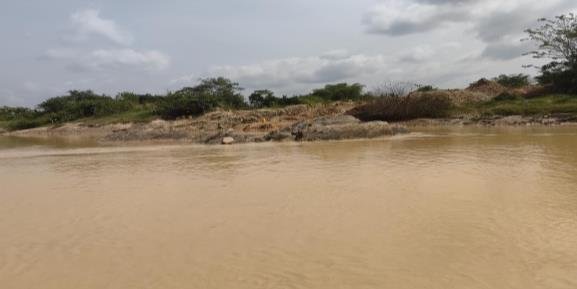
- Natural depth and flow restored across the Offin, Pra, and Ankobra
Four goals. Five phases. Five legacies, clear rivers, new forests, new livelihoods, open waterways, and a restoration that pays for its own future.
From assessment to enduring stewardship, each phase builds the evidence, capability, and community ownership the next one stands on. Follow the line.
Dredging is the beginning, not the point. Every phase of the plan is engineered toward five permanent outcomes for Ghana, select each one to see what we intend to accomplish.
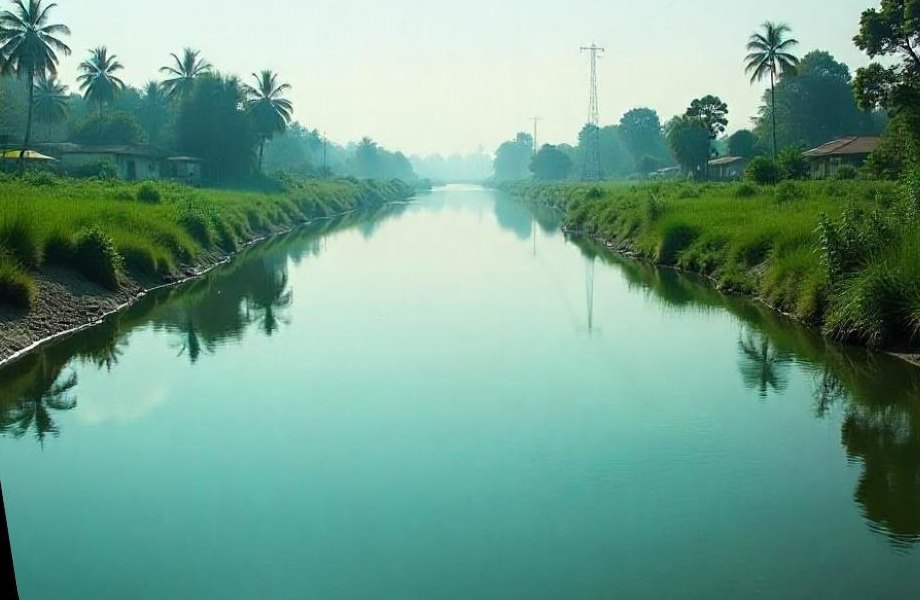
The first legacy is the simplest to state and the hardest to win: water that runs clear. Desiltation fleets restore natural depth and flow to the Offin, Pra, and Ankobra; embankments hold the banks; aquatic life is restocked into water it can survive in.
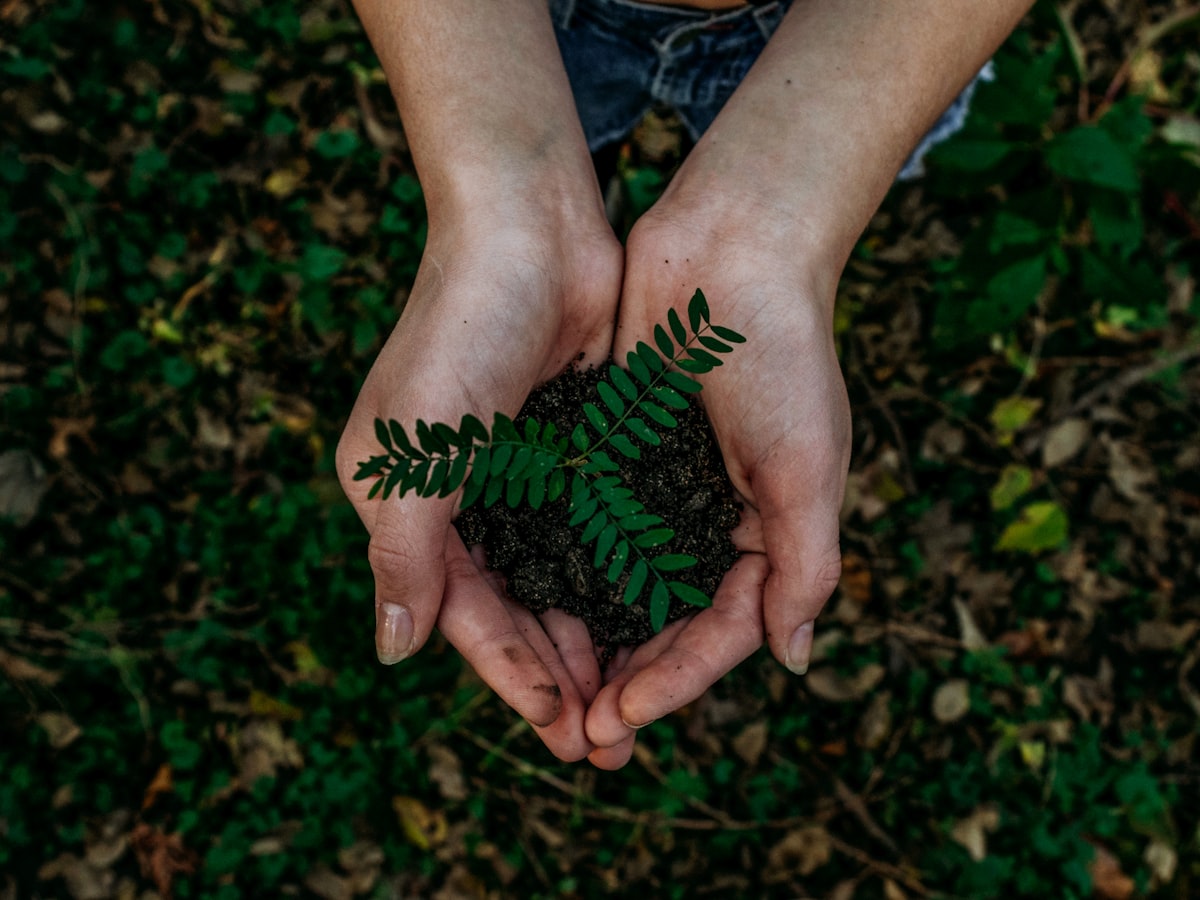
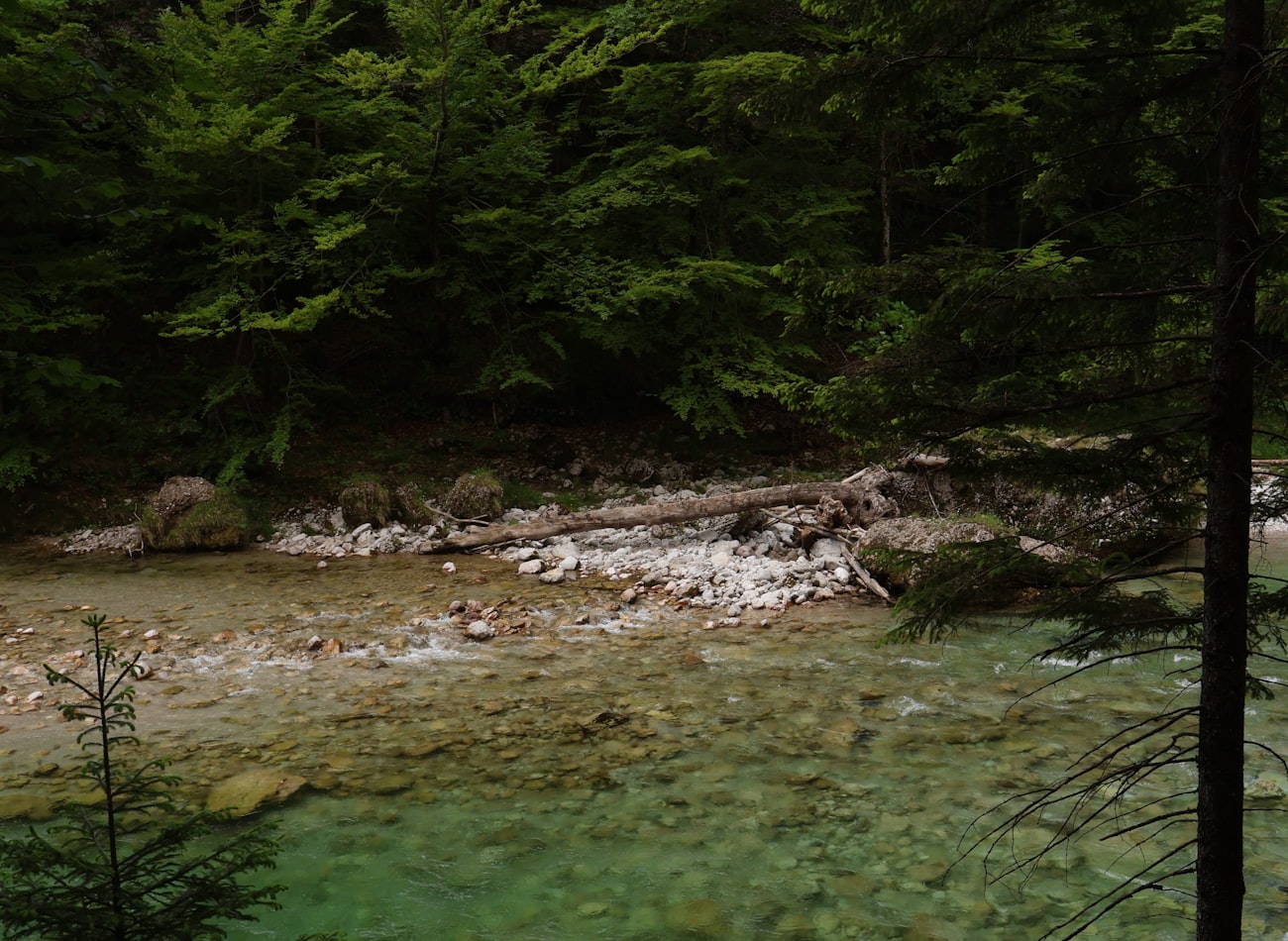
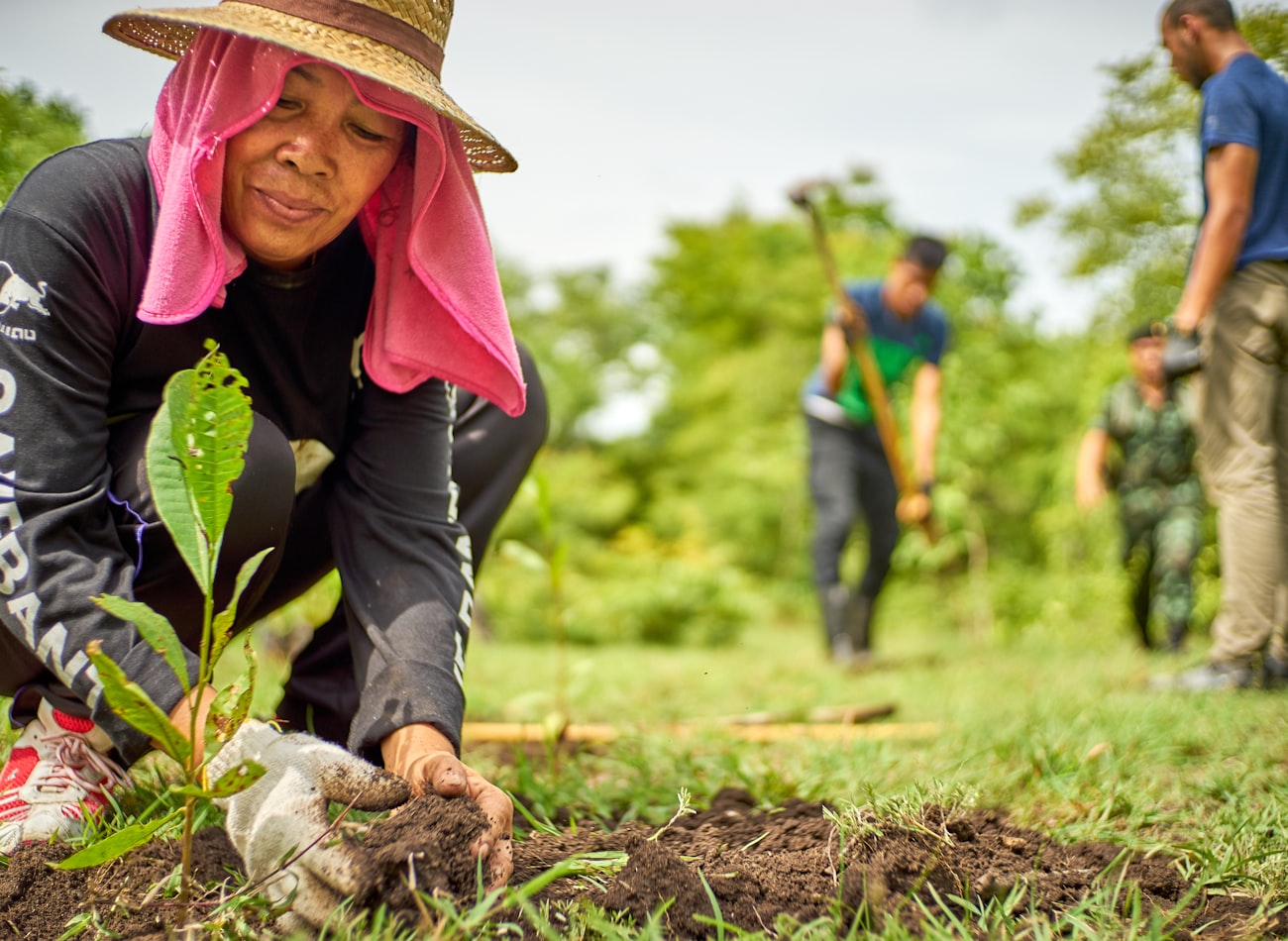
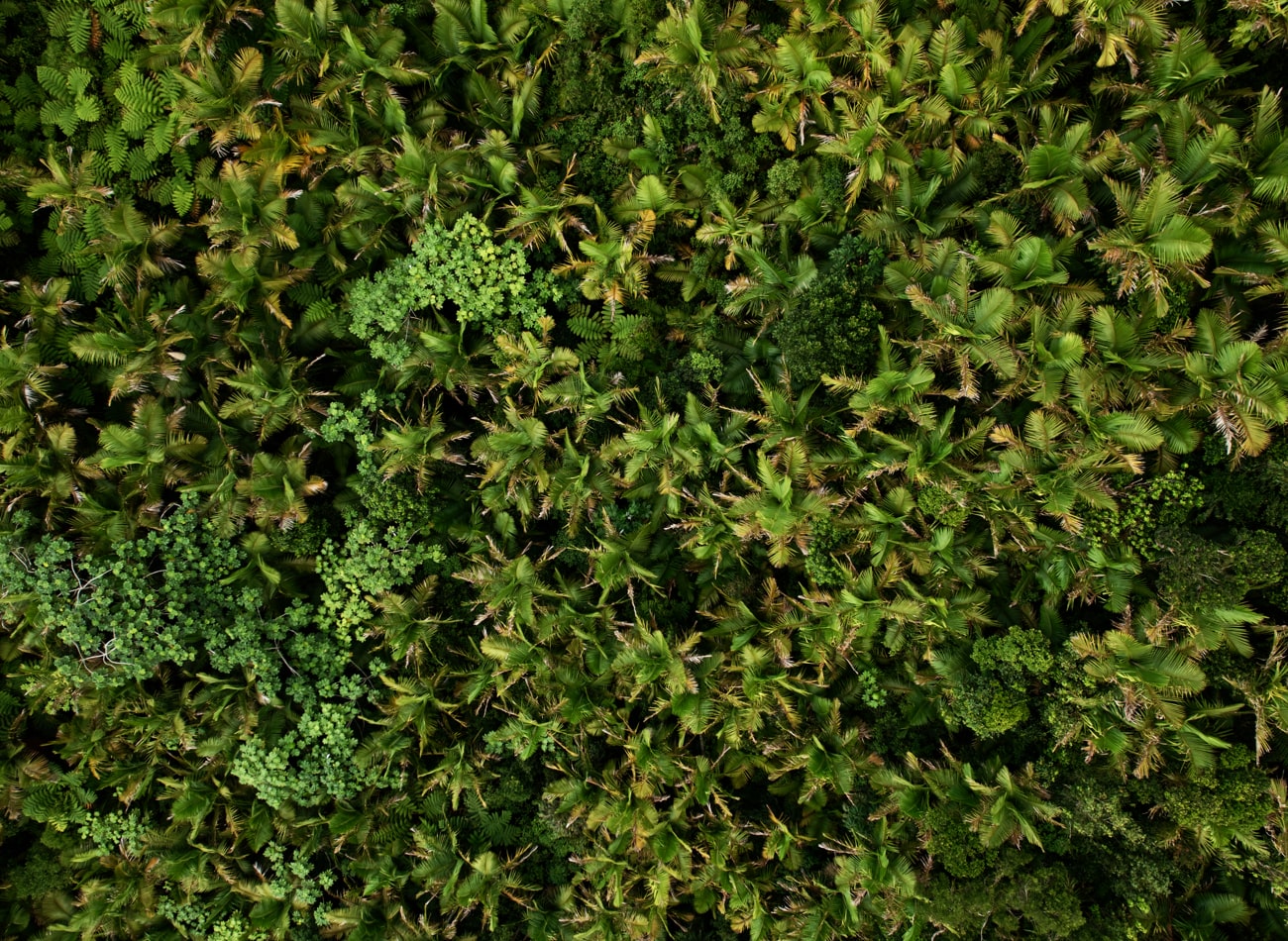
A river is only as healthy as its banks. Along every restored stretch we replant riparian forest, native trees and grasses whose roots hold the soil, filter runoff, shade the water, and give wildlife its corridor back.
Galamsey survives because it pays. The plan answers with work that pays better and lasts longer: community-run aquaculture in restored waters, irrigation-fed agriculture, eco-tourism enterprises, and jobs inside the restoration itself, dredging crews, nurseries, monitoring teams.
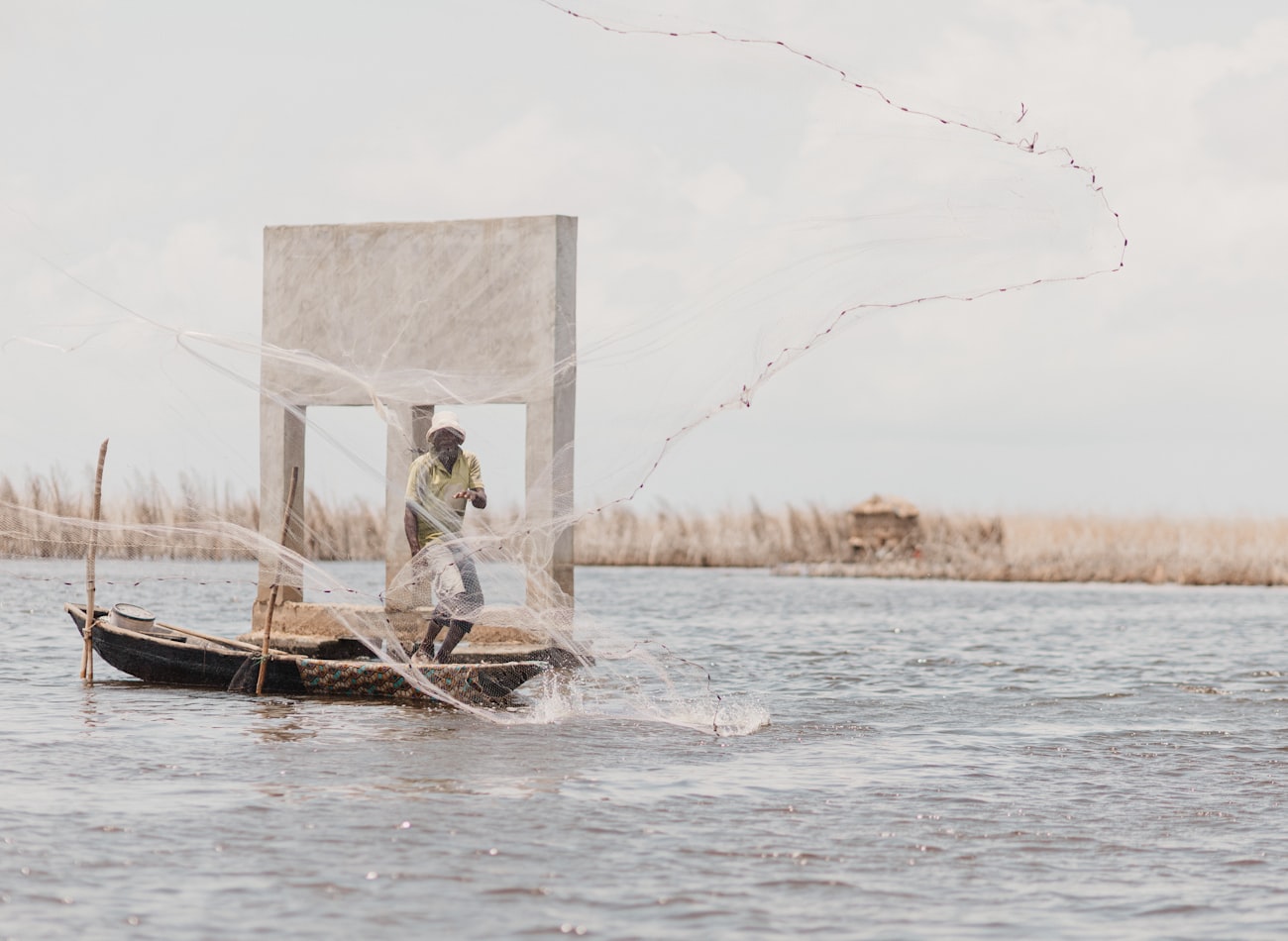
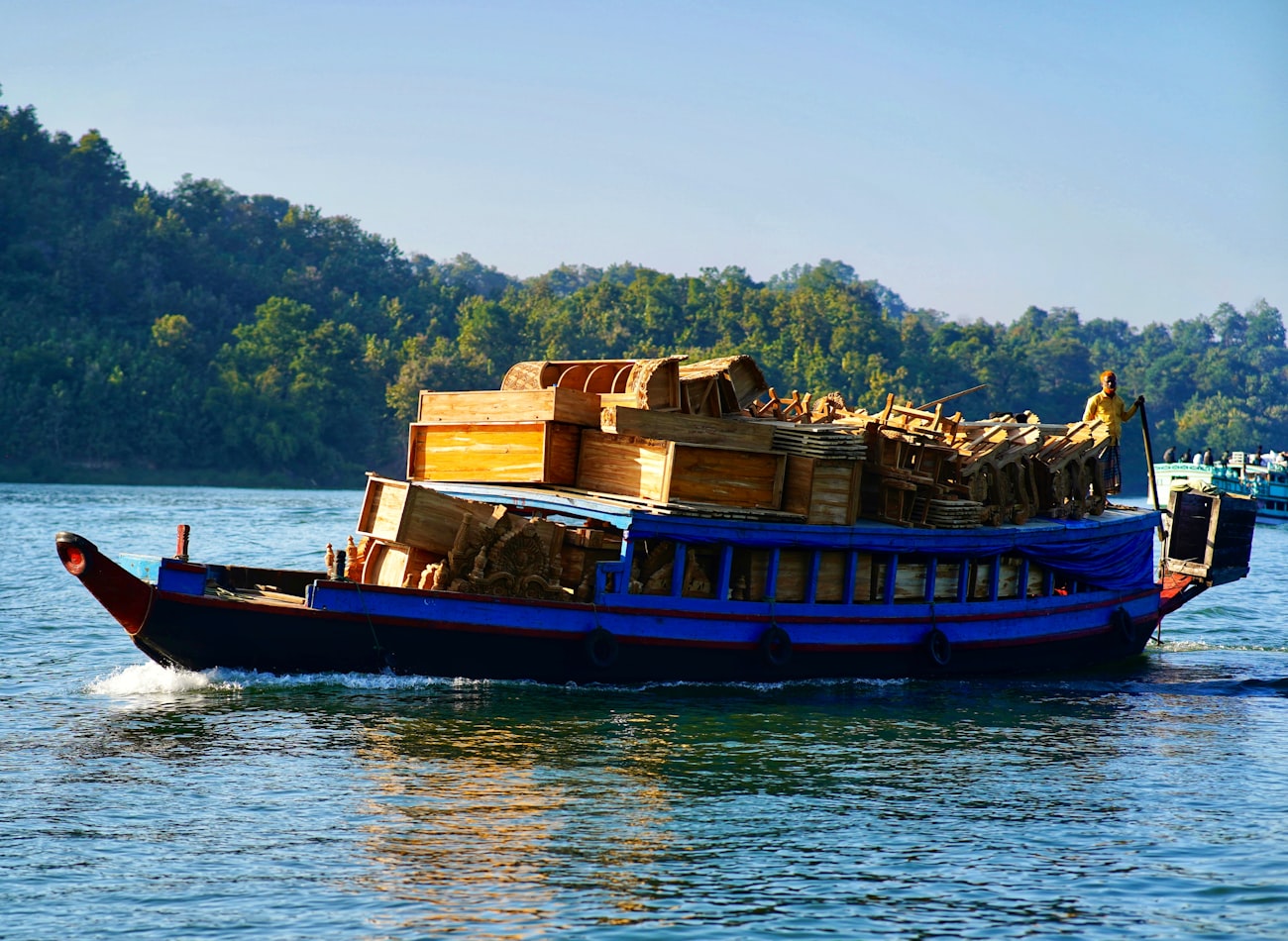
Before the silt, these rivers were roads. Restored depth reopens them: ferry links between riverine communities, cargo moving by barge instead of overloaded trucks, and docking infrastructure that turns riverside towns back into ports.
Replanted forests and rehabilitated wetlands do quiet, measurable work: they hold carbon. Verified under international standards, that work becomes carbon credits, a revenue stream that pays for monitoring, maintenance, and community programmes long after the dredgers leave.
The Restore Ghana Project is complete on a river only when all six of these are true, and financed to stay true.
Turbidity and contamination brought back within the operating range of Ghana Water’s treatment plants on the Offin, Pra, and Ankobra.
Channels desilted, banks stabilized, and flood risk measurably reduced for riverside communities.
Restocked native fisheries breeding on their own, with riparian forest regrowing along the banks.
Aquaculture, agriculture, tourism, and restoration jobs out-earning the pits in every district we operate.
Ferries and cargo moving on restored waterways, with docking points serving riverine towns.
Monitoring and upkeep paid from programme revenues, dredged materials, water services, and verified carbon credits.
Dredging alone is not enough. RGP pairs every restored river with sustainable economic interventions that turn clean water into lasting prosperity.
I.
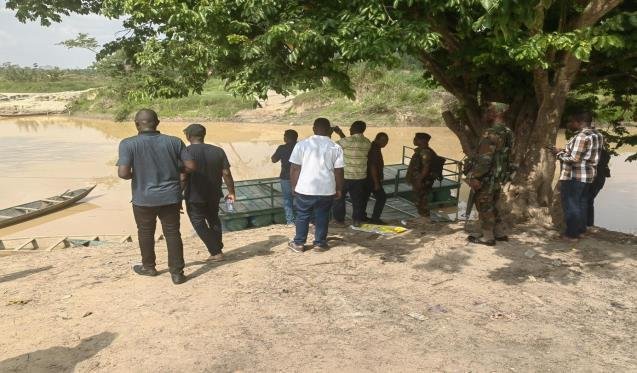
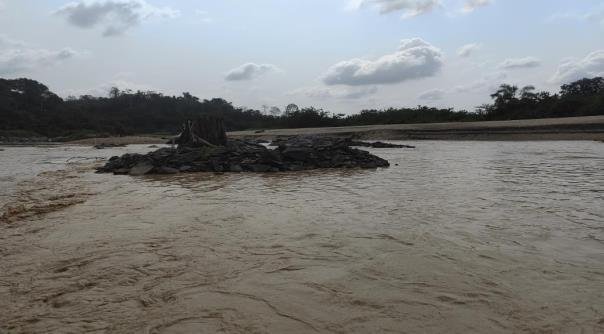
The physical heart of the programme. Guided by hydrographic surveys and certified environmental impact assessments, desiltation fleets, cutter‑suction and amphibious dredgers supported by marine logistics crews, work basin by basin, beginning with the 90‑day River Offin pilot, lifting a decade of silt, sand, and mining debris out of the channels.
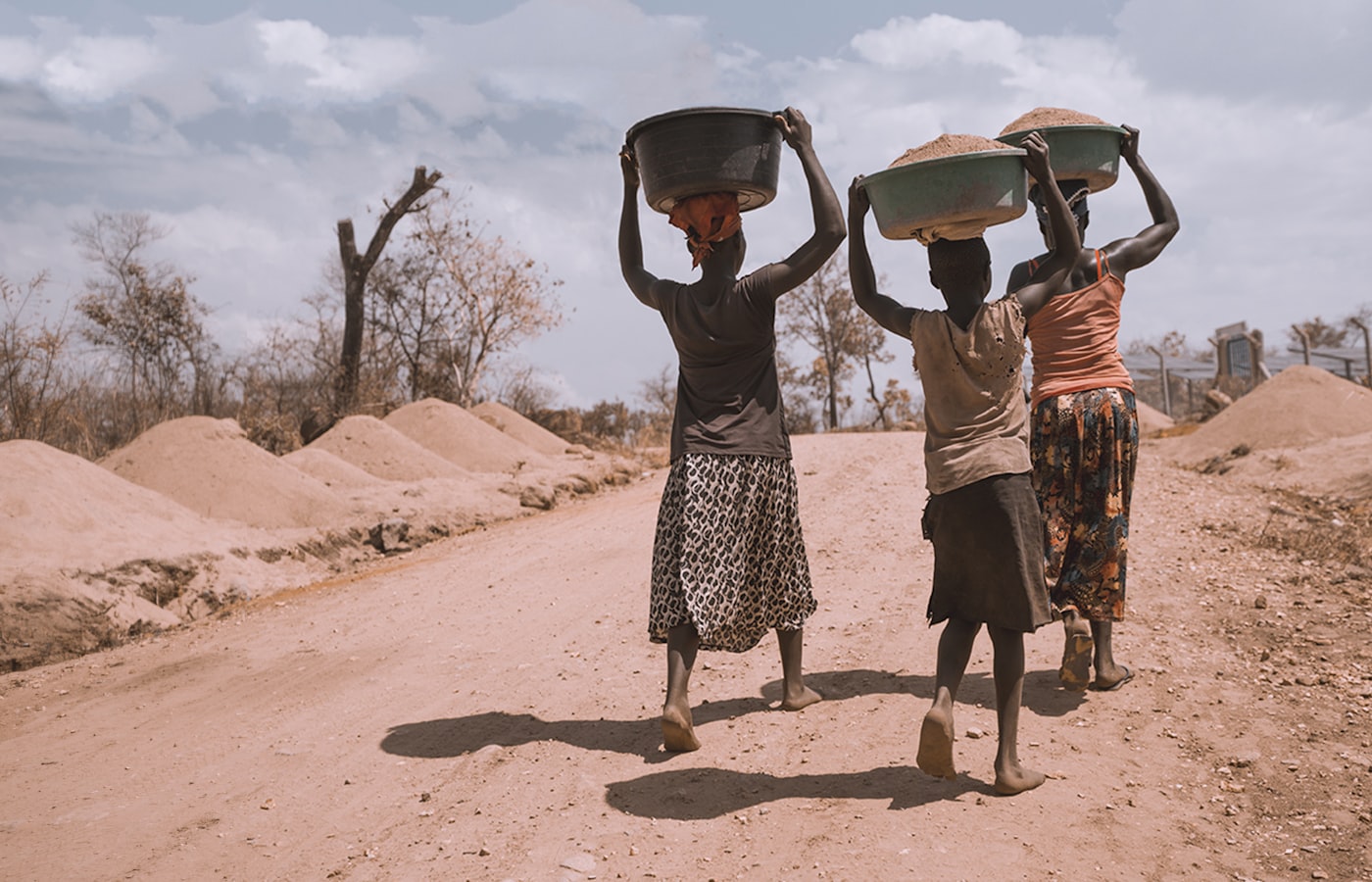
Every cubic metre is accounted for: contaminated sediment is contained and treated, while clean sand and gravel are recovered and sold into construction, turning the waste that choked the rivers into revenue that helps fund their restoration.
 II.
II.
Dredging clears the wound; restoration heals it. Behind every dredged reach comes the living work: reclaimed land embanked and grassed, native trees raised in community nurseries and planted along the banks, and fingerlings of native fish returned to water that can finally sustain them.
Water quality is monitored continuously, because the goal is not a river that looks better, but a river that measures better: at the treatment intake, in the fish catch, and in the wells of the villages beside it.
 III.
III.
A restored river that cannot feed its people will be mined again. That is the hard lesson of a decade of failed crackdowns, so prosperity is engineered into the plan itself. Community‑run aquaculture in the rehabilitated waters. Irrigation schemes feeding smallholder farms. Eco‑tourism enterprises on rivers worth visiting again.
And for those leaving the pits: training, equipment, and first claim on the thousands of jobs the restoration economy itself creates, from dredge crews to nurseries to monitoring teams.
IV.
No fleet can guard a river forever. Only the people beside it can. From the first reconnaissance, the project has moved with the communities, chiefs and traditional authorities, Municipal Assemblies, religious bodies, fishermen and farmers, not as an audience, but as co‑owners of the restoration.
Town halls before the dredgers arrive. Local hiring as they work. Training in conservation and maintenance before they leave, so that stewardship of each restored river passes to the hands that always held it.