
Statistics measure a river crisis in NTU and hectares. Households measure it in hours. When a treatment plant on the Pra shuts its intake because the water arrives as liquid mud, the shortfall does not stay at the plant, it travels into kitchens, classrooms, and clinics, and it lands hardest on the people with the least slack to absorb it.
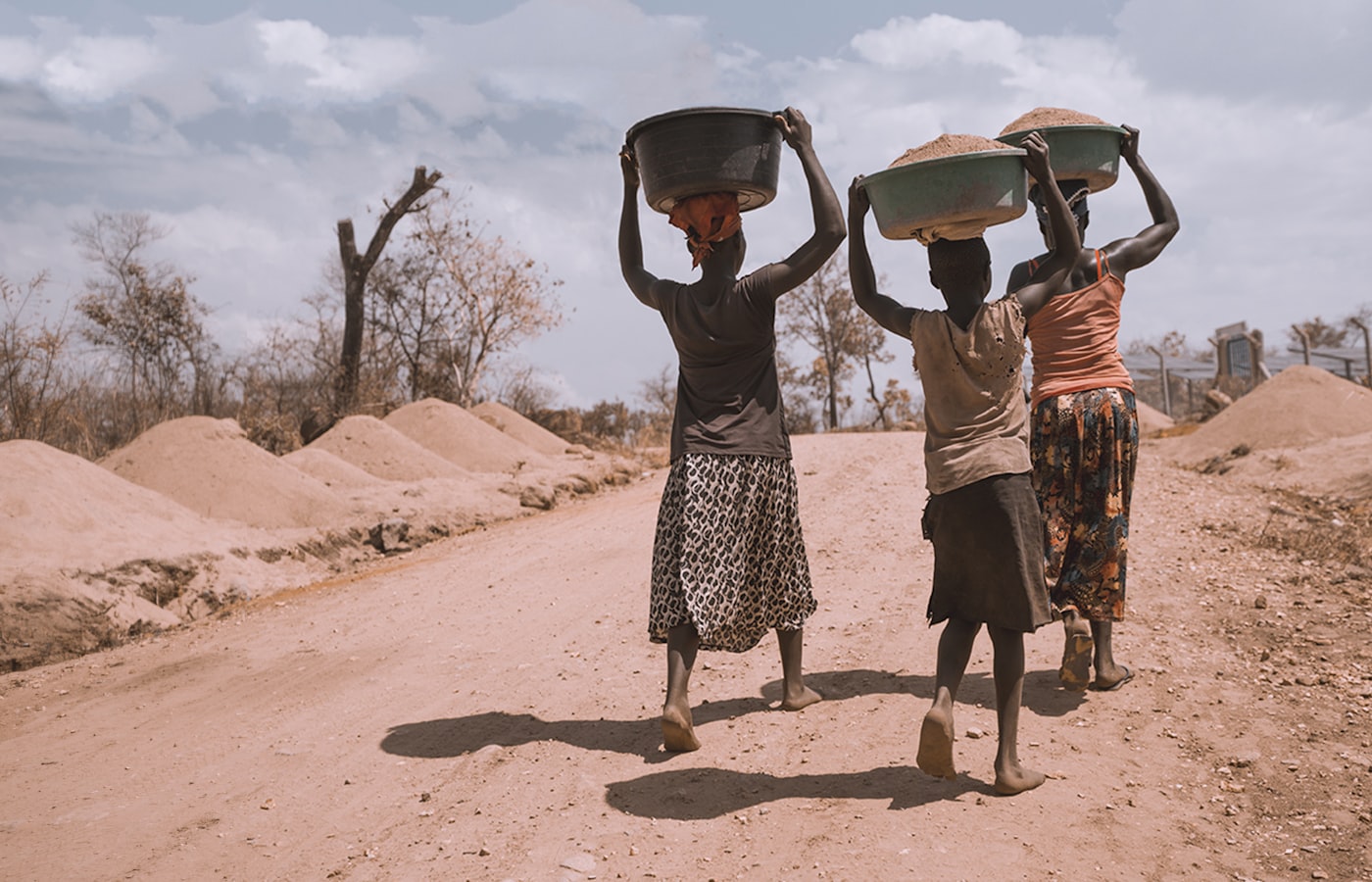
Across the Offin, Pra, and Ankobra basins, our reconnaissance teams heard the same arithmetic in different villages. The borehole that once supplemented the river now carries the whole village, and queues form before dawn. The water vendor’s price rises with the turbidity. A daughter’s school morning shortens because the water walk lengthened. None of this appears in a mining statistic; all of it is the mining statistic, translated.
The clinics tell the second chapter. Nurses in mining districts describe the caseload shifting, skin conditions, stomach ailments, and the slower, harder-to-name illnesses that come with heavy metals moving through water, fish, and food crops. Research from Ghanaian and international institutions has traced mercury and arsenic well beyond the rivers themselves; the clinic ledger simply records where those pathways end.
The third chapter is departure. Fishermen whose fathers fed villages now dig in the same river that once paid them, and when neither fishing nor digging holds, they leave. Farm by farm, canoe by canoe, the basins are exporting their young people to Accra and Kumasi, converting a river crisis into an urban one.
This is why the Restore Ghana Project measures its own success at the household: water treatable at every intake, livelihoods that out‑earn the pits, and rivers restored to the work they have always done, carrying life, trade, and children’s mornings that begin at a tap instead of a queue.
Back to Insights & Press